KureKinn Wellness Japanese remedies, American wellness — balance for everyday health

KureKinn Wellness

Japanese remedies, American wellness — balance for everyday health

Latest Articles

The Three-Week Ferment Experiment: What Happens When You Swap Pills for Japan's Living Pantry
Natural Remedies

The Three-Week Ferment Experiment: What Happens When You Swap Pills for Japan's Living Pantry

Probiotic capsules promise billions of CFUs, but Japan has been getting the same benefits from the grocery aisle for centuries. Here's a week-by-week plan for adding natto, miso, and amazake to an American routine — and an honest look at which benefits are science and which are story.

Close the Kitchen, Close the Day: The 10-Minute Japanese Bedtime Reset That Makes Mornings Easier
Natural Remedies

Close the Kitchen, Close the Day: The 10-Minute Japanese Bedtime Reset That Makes Mornings Easier

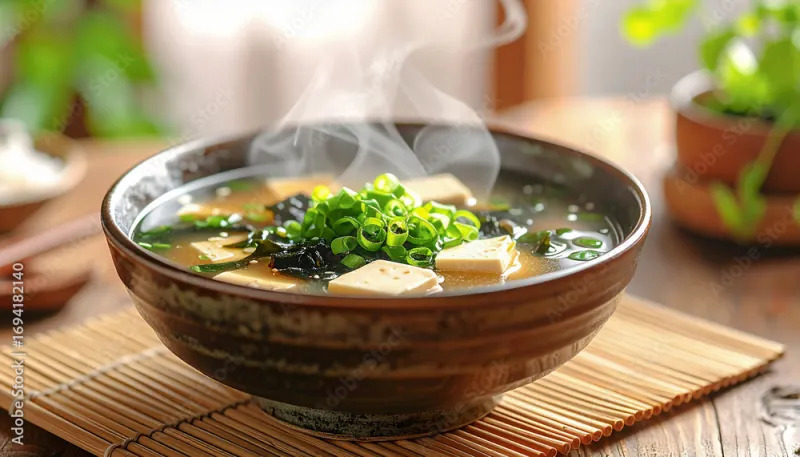
In many Japanese homes, the last chore of the night isn't laundry or email — it's 'katazuke,' a short, deliberate reset of the kitchen before bed. Here's why this tiny ritual works like a stress-off switch, and how to squeeze a 10-minute version into even the most chaotic American weeknight.

Warm Hands Before Coffee: The Japanese Morning Soup Habit You Can Build in 4 Minutes
Mindful Eating

Warm Hands Before Coffee: The Japanese Morning Soup Habit You Can Build in 4 Minutes

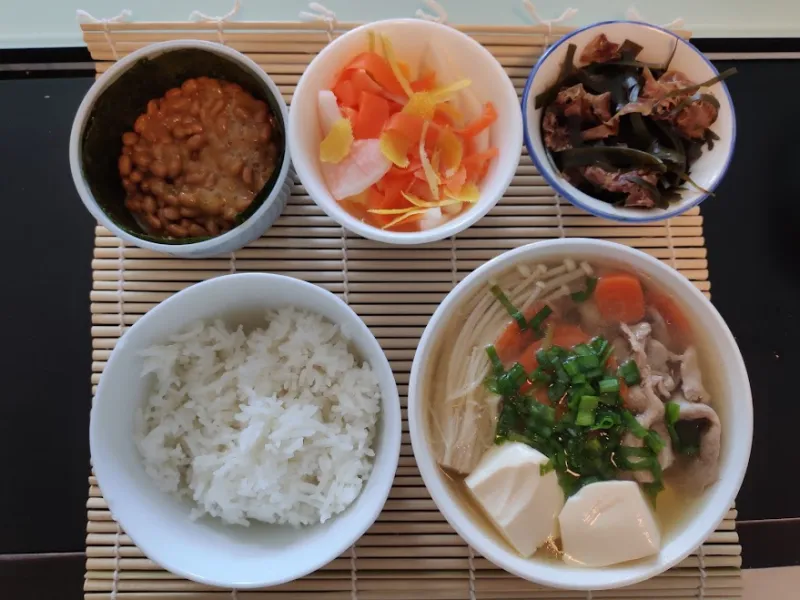
In Japan, a warm bowl of soup in the morning isn't a wellness trend — it's just Tuesday. Here's how to steal the habit using instant dashi, frozen veggies, and the microwave you already own.

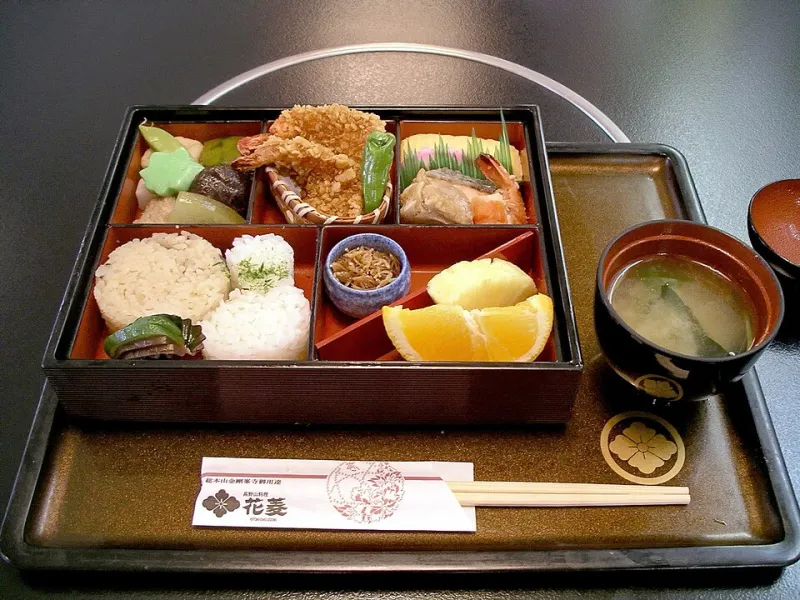
Breakfast Is Chaos, So Borrow Japan's Answer: A 30-Minute Sunday Bento Routine for Your Mornings
Mindful Eating

Breakfast Is Chaos, So Borrow Japan's Answer: A 30-Minute Sunday Bento Routine for Your Mornings

American breakfast is whatever we can grab with one hand while locking the front door. Japan's bento philosophy — compartmentalized, prepared ahead, balanced by design — might be the cheapest fix for the most neglected meal of our day. Here's a 30-minute Sunday routine that changes your entire week.

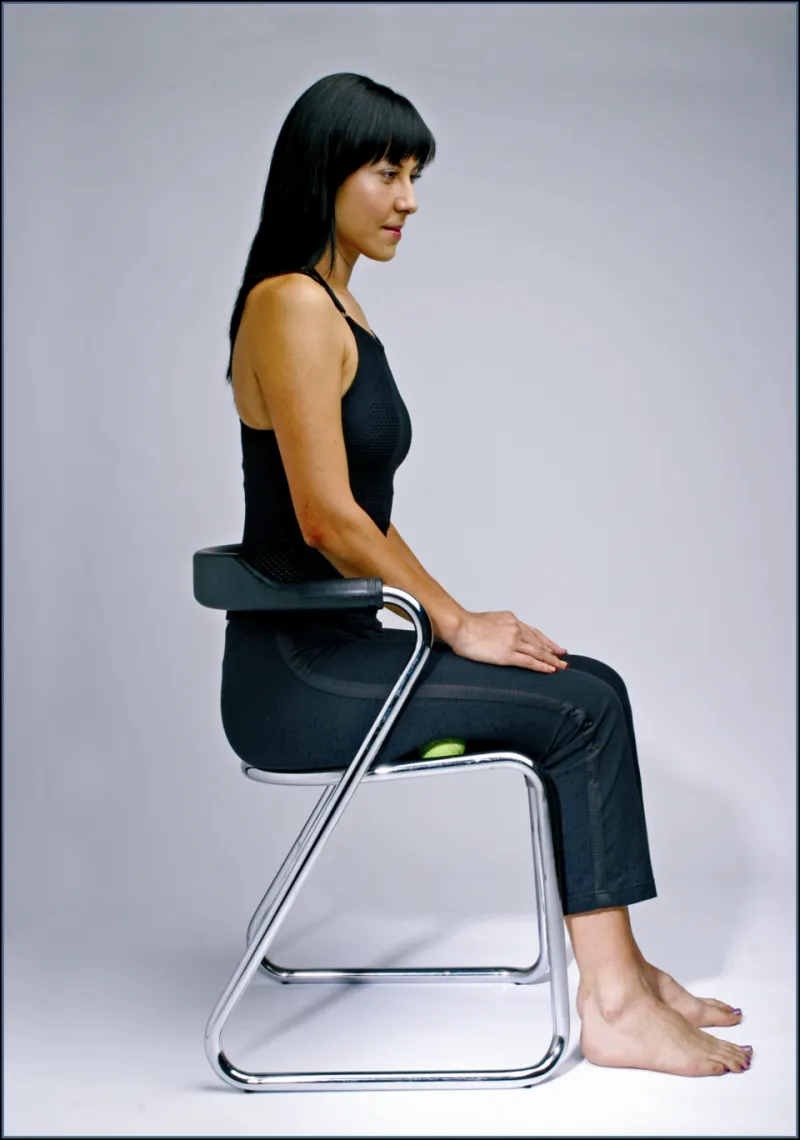
America Spends $300 on Chairs. Japan Turned on the Radio.
Natural Remedies

America Spends $300 on Chairs. Japan Turned on the Radio.

Every morning at 6:30, millions of Japanese workers stretch to a piano jingle on the radio — a habit that's lasted a century. Meanwhile, we buy $1,200 ergonomic chairs and wonder why our shoulders live near our ears. Here's the 3-minute office reset that actually addresses the problem.

Skip the $40 Gummies: The Two-Cent Morning Vinegar Ritual Japan Has Sipped for Centuries
Natural Remedies

Skip the $40 Gummies: The Two-Cent Morning Vinegar Ritual Japan Has Sipped for Centuries

America's apple cider vinegar gummy industry is booming, but Japan has been drinking diluted fruit vinegar for generations without a single supplement label. Here's what the science actually supports — and how to build the ritual for pennies.

Your 3 PM Slump Is a Lunch Problem, Not a Coffee Problem
Mindful Eating

Your 3 PM Slump Is a Lunch Problem, Not a Coffee Problem

American office culture treats the afternoon crash as a caffeine emergency — more coffee, more vending machine, more crash. Japanese workplaces quietly solved this decades ago with green tea, smaller lunches, and a stretch nobody notices. Here's the swap protocol.

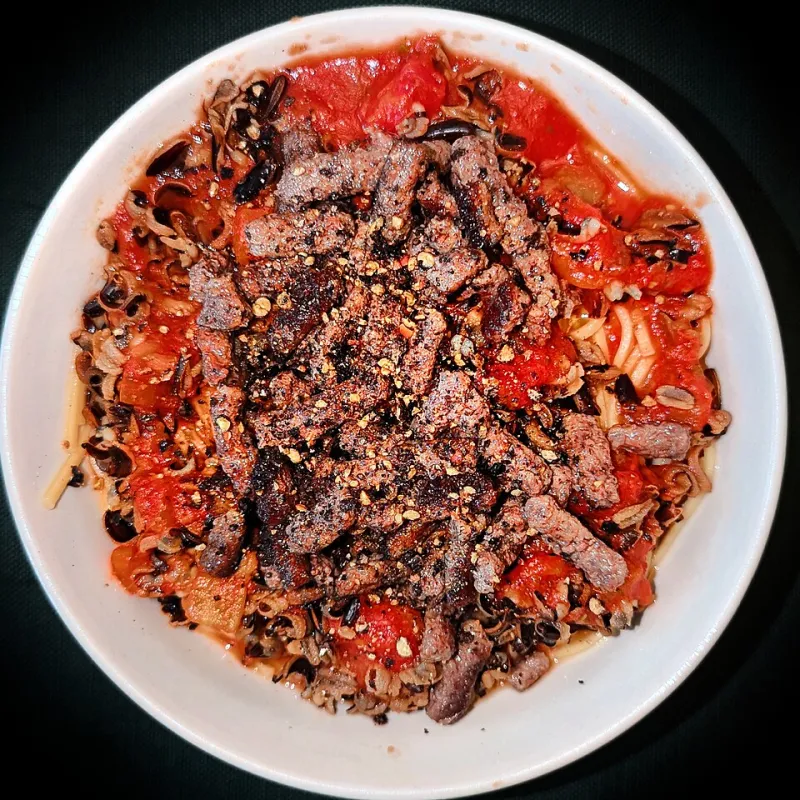
Cheap Meat, Expensive Taste: The Umami Trick That Saves Your Weekly Grocery Budget
Mindful Eating

Cheap Meat, Expensive Taste: The Umami Trick That Saves Your Weekly Grocery Budget

Umami isn't a restaurant buzzword — it's the reason a $4 pack of ground beef can taste like something you'd order out. Here's how four Japanese pantry staples quietly rescue your meal prep budget.

Gas Station Shame vs. Konbini Common Sense: Rethinking the American Snack Aisle
Natural Remedies

Gas Station Shame vs. Konbini Common Sense: Rethinking the American Snack Aisle

Japan's convenience stores sell snacks people don't feel guilty about — and it's not because Japanese people have superhuman discipline. It's because the defaults are designed differently. Here's how to steal that system for your own kitchen.

The 20-Minute Soak: Why Your Bathtub Might Be the Best Sleep Aid You Already Own
Natural Remedies

The 20-Minute Soak: Why Your Bathtub Might Be the Best Sleep Aid You Already Own

Japan treats the bath as a ritual, not a chore — and the science behind their pre-bed soak is solid. Here's how to recreate the onsen experience in a regular American tub, no renovation required.

Dollar Store Okinawa: Building Japanese-Style Meals From the Aisle Nearest You
Mindful Eating

Dollar Store Okinawa: Building Japanese-Style Meals From the Aisle Nearest You

You don't need a specialty import store or a fat grocery budget to eat the Japanese way. Rice, eggs, seaweed snacks, and green tea are sitting in your local discount store right now — here's how to turn them into a week of meals under $5 each.

You Don't Need a Forest: Squeezing Shinrin-Yoku Into a Regular American Weekday
Natural Remedies

You Don't Need a Forest: Squeezing Shinrin-Yoku Into a Regular American Weekday

Forest bathing sounds like something that requires a national park and a free Saturday. It doesn't. Here's how the Japanese practice of shinrin-yoku translates to a balcony, a lunch break, or fifteen minutes before your first Zoom call.

Your Salt Craving Isn't a Willpower Problem — It's a Flavor Problem
Mindful Eating

Your Salt Craving Isn't a Willpower Problem — It's a Flavor Problem

Americans eat roughly 50% more sodium than recommended, and blaming the salt shaker misses the point. Japanese cuisine figured out decades ago that umami-rich ingredients like kombu, miso, and dried shiitake make low-sodium food taste complete — here's how to borrow the trick.

Natural Remedies

Skip the Supplement Aisle: 7 Japanese Pantry Heroes That Do Double Duty as Home Remedies

Your local Asian grocery might already stock the wellness tools Japanese households have relied on for generations. Here's what the research says about seven pantry staples — and how to swap them into your American kitchen.

Put the Fork Down at 80%: What Okinawa's Oldest Eaters Know About Portion Control
Mindful Eating

Put the Fork Down at 80%: What Okinawa's Oldest Eaters Know About Portion Control

Hara hachi bu — eating until you're 80% full — is a habit, not a diet. We talked to registered dietitians and dug into the research on why this Okinawan practice works where restriction fails, plus a 30-day plan to make it stick.