Dollar Store Okinawa: Building Japanese-Style Meals From the Aisle Nearest You
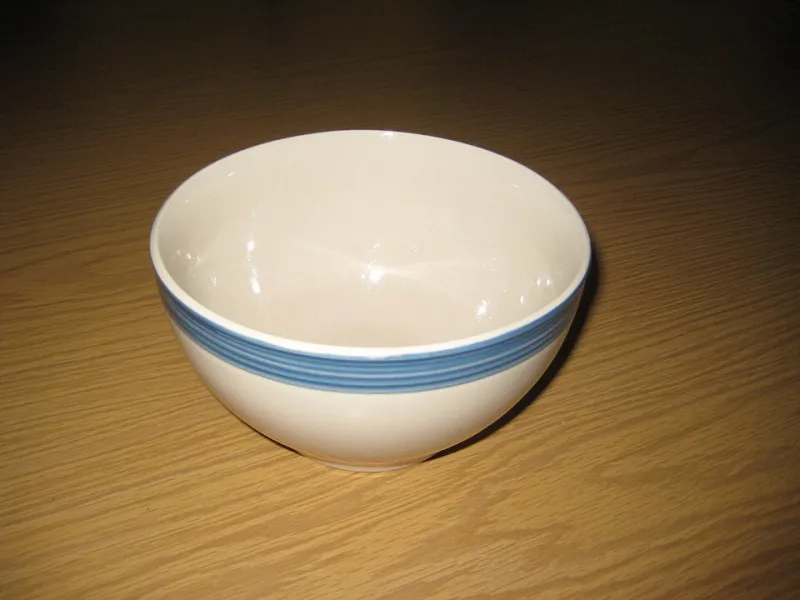
Photo: Yonkeltron at English Wikipedia, CC BY 3.0, via Wikimedia Commons
Let's get one thing out of the way: the wellness industry has convinced you that eating Japanese-style means a pilgrimage to an Asian market, a $12 jar of miso, and a subscription to something with the word "umami" in it. That's marketing. The everyday Japanese diet — the one associated with some of the longest, healthiest lifespans on the planet — is built on cheap, boring, brilliant staples. And most of them are already on the shelf at your local Dollar General, Family Dollar, or corner bodega.
I'll say the controversial part up front: the barrier to eating this way isn't access or money. It's the belief that simple food isn't enough.
The Core Four (You Can Afford All of Them)
Strip Japanese home cooking down to its foundation and you get four things: rice, eggs, soy, and vegetables — with green tea and seaweed as supporting cast. Here's where they hide in a discount store:
Rice. A big bag of long-grain or even instant rice runs a couple of dollars. Is jasmine the same as short-grain Japanese rice? No. Does it still do the job of a warm, filling, neutral base? Absolutely. If you can find Calrose or any medium-grain rice, grab it — it's closer to the real thing.
Eggs. The single greatest protein-per-dollar purchase in any store. Japanese home cooking leans on them constantly: tamagoyaki-style rolled omelets, egg dropped into hot broth, soft-boiled eggs over rice.
Seaweed snacks. The roasted nori snack packs that took over American checkout aisles are, conveniently, an actual Japanese staple food. A dollar or two gets you a week of savory, mineral-rich crunching.
Green tea. Every discount store stocks green tea bags for a few dollars. It's not ceremonial-grade matcha, and it doesn't need to be. A cup of green tea after a meal is the ritual, not the leaf.
Honorable mentions: canned tuna, frozen mixed vegetables, carrots, onions, soy sauce (yes, the generic kind), and instant ramen — more on that last one in a second.
About That Instant Ramen
Purists will clutch their pearls, but instant ramen is arguably the most Japanese product in the building. The problem isn't the noodles; it's what Americans do with them — eat the whole flavor packet and call it dinner. Split the seasoning packet in half, add a cracked egg, toss in frozen vegetables and last night's rice, and you've turned 40 cents of noodles into an actual meal. The Japanese do exactly this. It's called adding to it.
A Week Under $5 a Meal
Here's a realistic sample, assuming you already own salt, pepper, and soy sauce:
Monday — Rice bowl with fried egg. Rice, one or two eggs fried crisp-edged, a drizzle of soy sauce, crumbled seaweed snacks on top. Cost: about $1.
Tuesday — Tuna-rice donburi. Canned tuna mixed with a little soy sauce over warm rice, seaweed on the side. Add a thawed handful of frozen edamame if your store carries it. Cost: about $2.
Wednesday — Upgrade ramen. Half-packet ramen, one egg stirred in at the end, frozen vegetables, a torn sheet of nori. Cost: about $1.50.
Thursday — Egg drop broth. Broth (or bouillon) simmered with carrots, with beaten egg streamed in while stirring. Serve with rice. Cost: about $2.
Friday — Onigiri-ish rice balls. Wet your hands, press rice into triangles, press a piece of seaweed on the outside, tuck in whatever filling you've got — tuna, leftover egg. The original convenience food, invented precisely for people on the go. Cost: under $1.
Saturday — Veggie fried rice. Yesterday's cold rice, frozen vegetables, scrambled egg, soy sauce. Cold rice actually fries better. Cost: about $1.50.
Sunday — Simple soba-style night. If your store carries spaghetti, cook it, chill it, and dress it with soy sauce, a splash of vinegar, and seaweed. Not soba, but it scratches the same itch. Cost: about $2.
Even doubling portions for bigger appetites, you're nowhere near $5 a meal.
The Mindful Part Isn't the Ingredients
Here's what actually separates Japanese-style eating from the Standard American approach, and none of it costs a cent: smaller portions, served in separate dishes rather than one giant plate; eating rice first and slowly; stopping before you're stuffed rather than after; and drinking unsweetened tea instead of soda.
None of that requires a single imported product. It's a set of habits wrapped around cheap ingredients — which is precisely why it survived generations of people without much money.
The corner store was never the obstacle. The idea that healthy eating has to be expensive was.