Your Salt Craving Isn't a Willpower Problem — It's a Flavor Problem
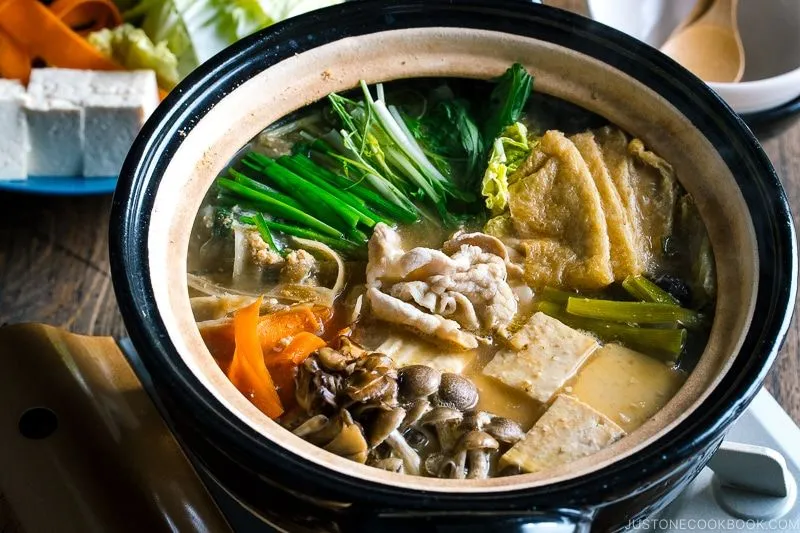
Photo: kombu dried shiitake mushrooms and miso paste on rustic wooden table, via i.pinimg.com
Here's an uncomfortable fact about the American diet: most of our sodium doesn't come from the shaker. It comes from processed food engineered to taste like something, because somewhere along the way we decided convenience food didn't need to actually taste like much.
The standard advice — eat less salt — treats this like a discipline issue. But nobody craves sodium in a vacuum. We crave satisfying, and salt is the crudest tool we have for getting there. Which is exactly why the Japanese approach to flavor is worth stealing.
The Case for Umami
Umami — the savory depth delivered by glutamates — was identified in Japan over a century ago, and it changes the sodium math entirely. When a dish has genuine umami, salt becomes seasoning instead of the main event. Food tastes rounder, fuller, more finished, with a fraction of the sodium.
This isn't fringe science. Food researchers have long noted that glutamate-rich ingredients allow cooks to reduce salt meaningfully without tasters noticing a drop in overall flavor. The salt isn't replaced; it's supported.
Three Pantry Workhorses
Kombu. This dried kelp is basically a glutamate delivery system. Simmer a strip of it in water for 15 minutes and you have dashi — a broth base with real savory depth and almost no sodium until you salt it. Use it in place of water for rice, soups, or braises.
Dried shiitake. Soak a few mushrooms in warm water for 30 minutes and you get two ingredients: deeply flavored mushrooms, and a free umami stock. Chop the mushrooms into meatballs, chili, or pasta sauce; use the soaking liquid anywhere you'd use broth.
Miso. Fermented, salty, and packed with glutamates — but here's the trick: because miso is so flavorful, you use less added salt overall. A tablespoon stirred into a dressing or a glaze delivers more perceived savoriness than the equivalent salt hit ever could.
Swaps for American Classics
- Chili: Add a splash of shiitake soaking liquid and a teaspoon of miso. Cut the added salt by half. Nobody will clock the difference.
- Roast chicken: Rub the bird with a miso-butter paste instead of a heavy salt rub. The glutamates make the seasoning taste twice as present.
- Mac and cheese: A spoonful of miso in the sauce deepens the cheese flavor, letting you go lighter on salt and still taste decadent.
- Burgers: Blend finely chopped rehydrated shiitake into the patty — more umami, juicier, less sodium per bite.
- Salad dressing: Swap half the salt in a vinaigrette for a small spoon of white miso whisked into the mustard.
A Different Way to Think About It
The Japanese kitchen never asked anyone to eat bland food in the name of health. It asked a better question: what else can carry the flavor? The answer — kombu, fermented soy, dried mushrooms — happens to be inexpensive, shelf-stable, and easy to find in any American grocery store with an international aisle.
So if you've tried and failed to cut back on salt, stop blaming your discipline. Your palate was asking for depth, not sodium. Give it umami, and the salt starts fading into the background on its own.