Hot Can in a Cold Hand: The Japanese Winter Drink Habit America Never Adopted

Photo: Kolforn (Kolforn) I'd appreciate if you could mail me ([email protected]) if you want to use this picture out of the Wikimedia project scope. This file is licensed under the Creative Commons Attribution-Share Alike 4.0 International license. Yo
Walk down a Tokyo street in January and you'll notice something Americans rarely see: vending machines selling hot drinks. Red-lit buttons, steaming cans of corn soup, hojicha you can hold like a hand warmer. It's not a novelty — it's a national default. When the temperature drops, Japan flips its entire drink culture from iced to warm, almost overnight.
Most of us in the US do the opposite. We order iced lattes in a snowstorm, sip cold water all day, and then wonder why our hands are freezing, our digestion feels sluggish, and we're craving a 400-calorie hot chocolate at 4 PM.
There's a quiet logic to the Japanese approach worth borrowing.
Why Warm Drinks in Winter Actually Make Sense
Japanese food culture has long distinguished between cooling and warming foods — a concept rooted in traditional medicine and still visible in everyday habits. Winter menus shift toward hot pots (nabemono), brothy soups, and warm teas, not as a wellness trend but as basic seasonal common sense.
From a practical standpoint, the case is simple:
- Warm liquids are gentler on digestion. Many people find icy drinks uncomfortable in cold weather, when the body is already working to stay warm.
- You hydrate more willingly. A hot tea on a freezing day feels like a treat. Cold water in January feels like a chore, so people drink less — and mild winter dehydration is surprisingly common.
- It satisfies the sweet craving without the sugar. A mug of something warm and savory or lightly sweet can replace the hot chocolate habit entirely.
The Vending Machine Lineup Worth Copying
Japanese konbini and vending machines stock a rotating cast of winter drinks that are, frankly, genius. A few you can recreate at home:
Hojicha (roasted green tea). Low in caffeine, toasty and smooth, with almost no bitterness. It's the anti-espresso — a tea you can drink at 8 PM without wrecking your sleep.
Genmaicha (green tea with roasted rice). Nutty, comforting, and cheap. The toasted rice gives it a popcorn-like warmth that makes it feel indulgent when it isn't.
Corn soup. Yes, it comes in a can in Japan, and yes, it's beloved. A homemade version — blended corn, milk or oat milk, a little salt and pepper — takes ten minutes and delivers that same creamy, savory hug.
Amazake. A traditional sweet, low-alcohol (or non-alcoholic) fermented rice drink that's been sipped in Japan for centuries, especially in winter. It's naturally sweet from fermentation, contains no added sugar in its simplest form, and is often called a "drinkable IV drip" in Japan for its nutrients. Find it at Japanese or Asian grocery stores, or make it with rice, water, and koji.
Mugicha and other barley teas. Served hot in winter, caffeine-free, and endlessly refillable.
The American Winter Drink Problem
Here's the pattern most of us fall into: cold water all day (because that's what's offered), then a sugar bomb in the afternoon because we're craving warmth and comfort. A grande hot chocolate with whipped cream runs over 40 grams of sugar. A pumpkin spice latte, more.
The Japanese habit offers a middle path — drinks that are warm, flavorful, and nearly sugar-free by default. The trick isn't willpower. It's having a better option within arm's reach.
How to Build the Habit This Week
- Brew once, sip all day. Make a big pot of hojicha or genmaicha in the morning and keep it in an insulated carafe. Refill your mug like it's a vending machine.
- Keep instant corn soup packets at your desk. The 3 PM slump often doubles as a warmth craving. A savory mug beats a candy bar.
- Try amazake before you try dessert. Warm it in a small saucepan, dust with a little cinnamon if you like. It scratches the sweet itch for a fraction of the sugar.
- Make water optional, not mandatory. If you're drinking several mugs of tea daily, you're hydrating. Herbal and barley teas count.
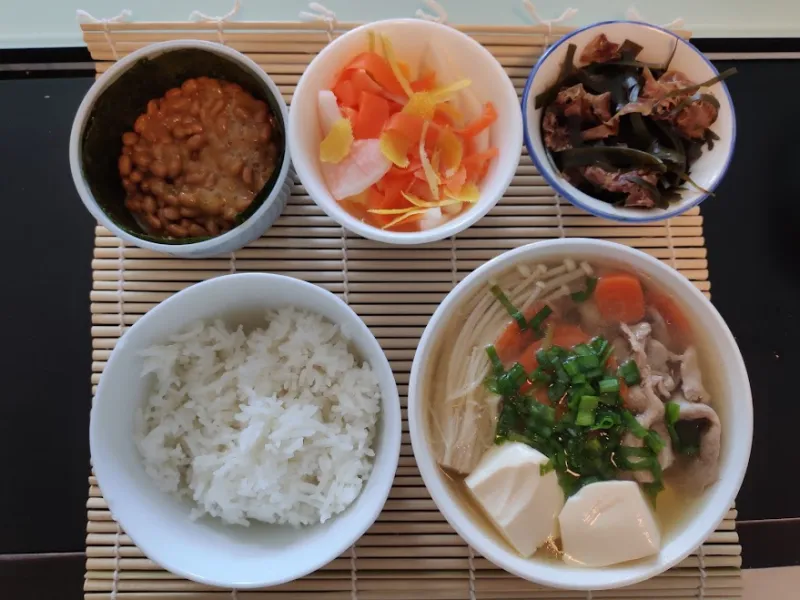
- Eat your warmth. Miso soup with lunch, a brothy dinner, congee for breakfast — the Japanese winter table keeps hydration flowing through food, too.
Small Ritual, Real Payoff
There's something else going on in that hot can of tea, beyond hydration and digestion. The Japanese habit treats a warm drink as a small pause — a moment of comfort built into a cold, busy day. It's self-care that costs about a quarter and takes zero willpower.
You don't need a vending machine on your corner to adopt it. You need a kettle, a tin of roasted tea, and the willingness to let the season change what's in your mug. This winter, let your drink do the warming — and let the hot chocolate keep its 40 grams of sugar to itself.