America Spends $300 on Chairs. Japan Turned on the Radio.
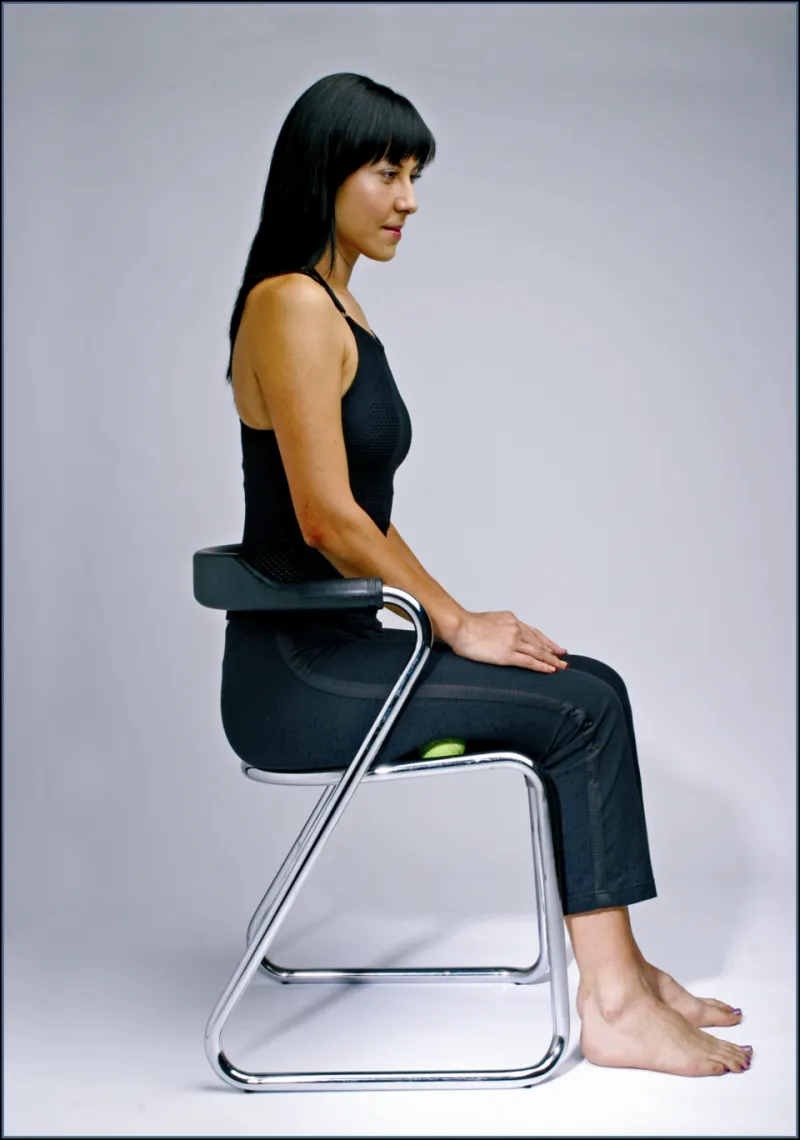
Photo: Gadgetnz, CC BY-SA 3.0, via Wikimedia Commons
Let me save you from a purchase you don't need.
Somewhere right now, an American office worker is reading reviews for a $300 "ergonomic" desk chair, or a $900 standing desk, or a posture-correcting brace that promises to undo eight hours of slouching. The ergonomics industry has built an entire economy on a simple pitch: your stiffness is a hardware problem, and hardware costs money.
Japan looked at the same problem a hundred years ago and reached a different conclusion. Their answer cost nothing, required no equipment, and it's still running today — literally, on the radio, every single morning.
A Century of Calisthenics, Live at 6:30 A.M.
The routine is called Rajio Taisō — radio calisthenics. It launched in 1928, borrowed partly from American-style group exercises, and it has survived wars, technological upheavals, and every fitness trend since. The premise is almost absurdly modest: a piano jingle plays, a calm voice counts you through a set of light, full-body stretches, and three minutes later you're done.
That's it. No app, no subscription, no sweat. Construction crews do it before shift. Schoolkids do it before class. Factory workers do it together in the parking lot. It is possibly the most successful workplace wellness program in history, and it fits inside a song.
Compare that to our approach: we treat movement as something that happens elsewhere — at the gym, on a run, in a class you paid for. Then we sit still for nine hours and buy furniture to compensate.
Why Micro-Movement Beats the Perfect Chair
Here's the uncomfortable science. Research on sedentary behavior keeps landing on the same finding: the problem isn't your posture at any single moment — it's the unbroken duration of stillness. Your spine, hips, and shoulders are built for variety. Connective tissue and circulation suffer from stasis more than from any specific "bad" position.
Which means the perfect chair, if it existed, would still fail — because even perfect posture held for four straight hours becomes its own problem. The fix isn't better static support. It's interruption. Short, frequent movement breaks do more for stiffness than any single piece of equipment, and they cost exactly zero dollars.
A 3-minute reset every hour or two isn't a workout. It's a signal to your nervous system that you still have a body. That's the entire philosophy behind Radio Taiso, and it's why a century-old jingle outperforms a thousand-dollar chair.
The Cubicle Version: A No-Sweat 3-Minute Reset
No one wants to be the person doing jumping jacks between spreadsheets. This modified routine is deliberately quiet and invisible-ish. Do it at your desk, in a hallway, on a video call with your camera off. Nobody will notice. Your shoulders will.
One: The overhead reach (30 seconds). Interlace your fingers, push your palms up toward the ceiling, and stretch tall. Breathe. Then lean gently left, right. This is the move that undoes the keyboard hunch.
Two: Shoulder circles and rolls (30 seconds). Slow, big circles backward — ten each direction. Desk workers carry tension up here; most of us have never once deliberately moved these joints during the workday.
Three: Arm swings and gentle twists (30 seconds). Swing your arms loosely across your body, then plant your feet and rotate your torso side to side, letting your arms follow. Your lower spine has been begging for this.
Four: The forward fold and reach-back (30 seconds). Hinge forward gently and let your arms dangle — your hamstrings and lower back have shortened from sitting. Roll up slowly, one vertebra at a time. Finish by reaching back, opening the chest.
Five: March in place (60 seconds). Lift your knees, swing your arms, get your heart rate up just slightly. This is the circulation piece — the part that flushes out the stiffness of the last hour.
Three minutes. Zero sweat. Done before your coffee cools.
Set the Jingle Yourself
The genius of Radio Taiso isn't the specific exercises — plenty of routines stretch the same muscles. It's the trigger. The broadcast plays, and a whole country moves. You can borrow that mechanism: set a recurring calendar reminder with a silly name, or link the reset to something automatic, like ending a meeting or sending a report.
The chair can stay. It's a fine chair. But stop expecting furniture to do the job of movement. Your body doesn't want a better position — it wants a new one, every so often, for free.