Breakfast Is Chaos, So Borrow Japan's Answer: A 30-Minute Sunday Bento Routine for Your Mornings
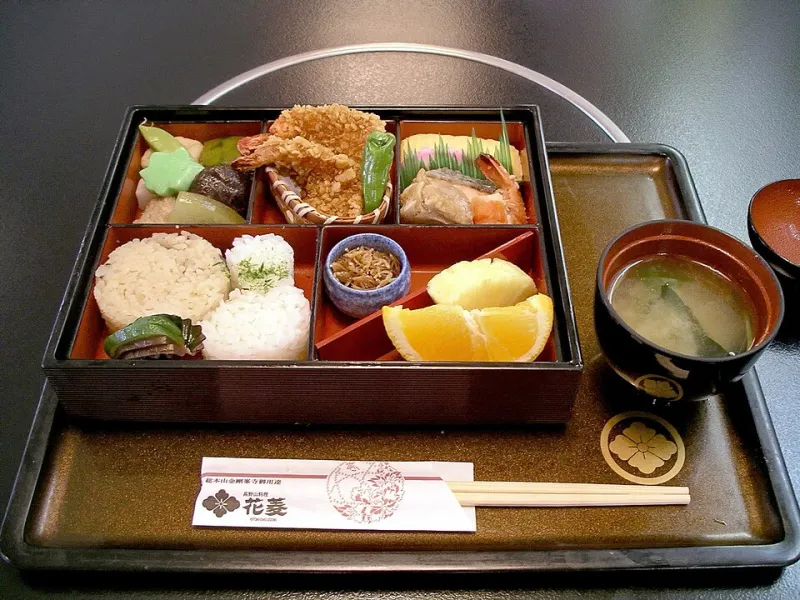
Photo: Blue Lotus, CC BY 2.0, via Wikimedia Commons
Be honest with yourself for a second. What did you eat this morning? If the answer is "coffee," "a granola bar I found in my coat pocket," or "half a muffin from the gas station," you're in very normal company. Americans treat breakfast like a speed bump — something to get over as fast as possible on the way to the rest of the day.
In Japan, the morning meal gets treated differently. Not fancier, necessarily — the everyday Japanese breakfast is famously simple — but deliberately. And the tool that makes it work isn't a $12 smoothie or a subscription meal kit. It's a box. A cheap, lidded, compartmentalized container, the same one schoolkids and office workers have carried for generations.
Here's the case for stealing that idea, even if you've never eaten rice before 9 a.m.
The Problem Isn't That You Skip Breakfast. It's That Breakfast Has No Structure.
There's a reason a drive-thru muffin leaves you starving by 10:30 while a modest bowl of rice, eggs, and pickled vegetables keeps you going until lunch. It's not magic and it's not willpower. It's composition.
The standard American grab-and-go breakfast is almost entirely refined carbs and sugar — a muffin, a pastry, sweetened yogurt, a "breakfast" bar that's basically a candy bar with better marketing. You get a fast blood sugar spike, a crash an hour later, and the 3 p.m. slump everyone blames on their job.
The traditional Japanese morning meal works differently: protein, a slow-digesting starch, something fermented or pickled, and often a warm element. Nothing exotic. Just balance, arranged where you can see it. That's the real bento philosophy — not cute food art, but built-in portion logic. Every compartment gets filled, nothing dominates.
You Don't Have to Eat Japanese Food to Eat Like This
Let's get one thing straight: nobody's telling you to whip up miso soup at 6:15 a.m. on a Tuesday. The point is the structure, and the structure translates to any cuisine.
A bento-style breakfast, Americanized, looks like this:
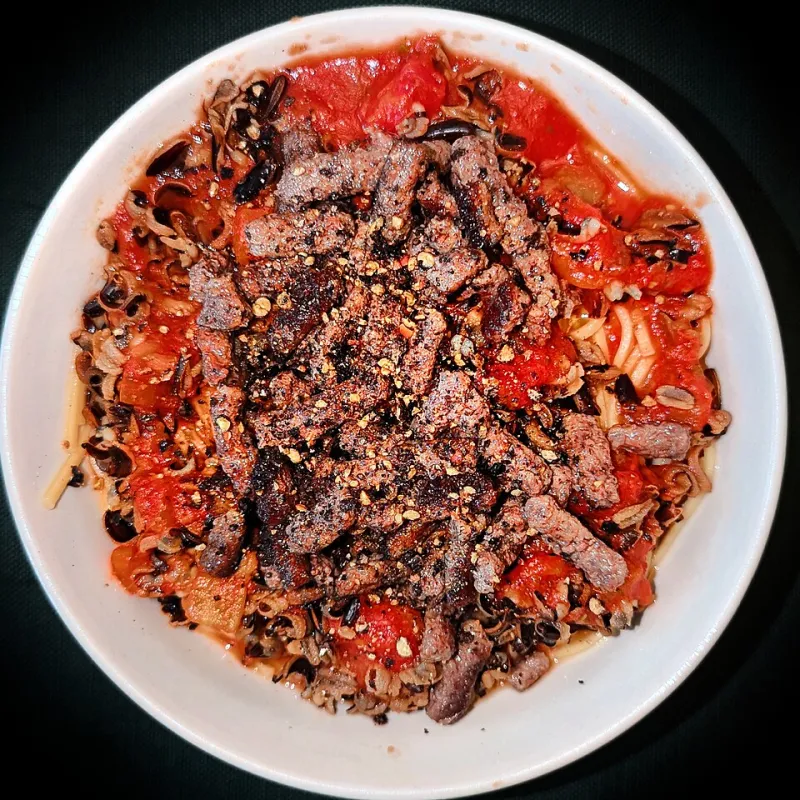
- One compartment: protein. Scrambled or rolled eggs, cottage cheese, leftover rotisserie chicken, whatever's cheap this week.
- One compartment: slow carbs. Brown rice, leftover dinner rice (more on that below), overnight oats, a slice of dense whole-grain bread.
- One compartment: something pickled or fresh. Cucumber slices, kimchi from any grocery store, cherry tomatoes, a mandarin orange.
- Optional: a warm drink and ten quiet minutes, if your schedule allows. It counts.
Notice what's missing: a second muffin.
The 30-Minute Sunday Routine
Here's the whole system. One shopping trip, one half-hour of prep, five mornings handled.
Minutes 1–10: Start the rice. If you own a rice cooker, this is a button. If not, a pot on the stove works fine. Cook a big batch. Rice reheats beautifully — this is the single most useful thing to know about it.
Minutes 11–20: Cook the eggs. A dozen scrambled eggs seasoned simply, or — if you're feeling ambitious — tamagoyaki-style rolled omelets, which hold together in a container far better than loose scramble. Salt, a splash of soy sauce, done.
Minutes 21–27: Prep the cold stuff. Slice cucumbers, wash berries, portion out pickles or kimchi into small containers. If you eat yogurt, portion it now, unsweetened — add honey at eating time so you control the sugar.
Minutes 28–30: Assemble. Rice in one compartment, eggs in another, produce in the third. Lid on. Fridge. Repeat for as many mornings as you're brave.
In the morning, your entire job is: microwave for 60 seconds, eat, leave. Total morning labor: less than it takes to wait in a drive-thru line.
The $5 Container That Runs the Whole Thing
You don't need a lacquered bento box from Kyoto, though they're lovely. A basic three-compartment container — the kind sold at Target, Walmart, or literally any dollar store — does the same job for about five bucks. Grab one with a real gasket lid if you're tossing it in a bag. Microwave-safe, obviously.
The compartments aren't a gimmick. They're the quiet reason the system works: you can't overload one food group when the box physically won't let you. It's portion control that requires zero thought, which is the only kind of portion control that survives a busy week.
Why This Beats the Supplement Route
We spend billions a year in this country on powders and gummies promising steady energy. Meanwhile, the boring truth is that balanced meals with actual protein and fiber do most of that work for free. A prepped bento breakfast won't fix your inbox or your commute. But it will fix the 10:30 vending-machine visit, and that's a start.
Try it for one week. Thirty minutes on Sunday, five mornings of not thinking. If it doesn't stick, the container still works great for leftovers.